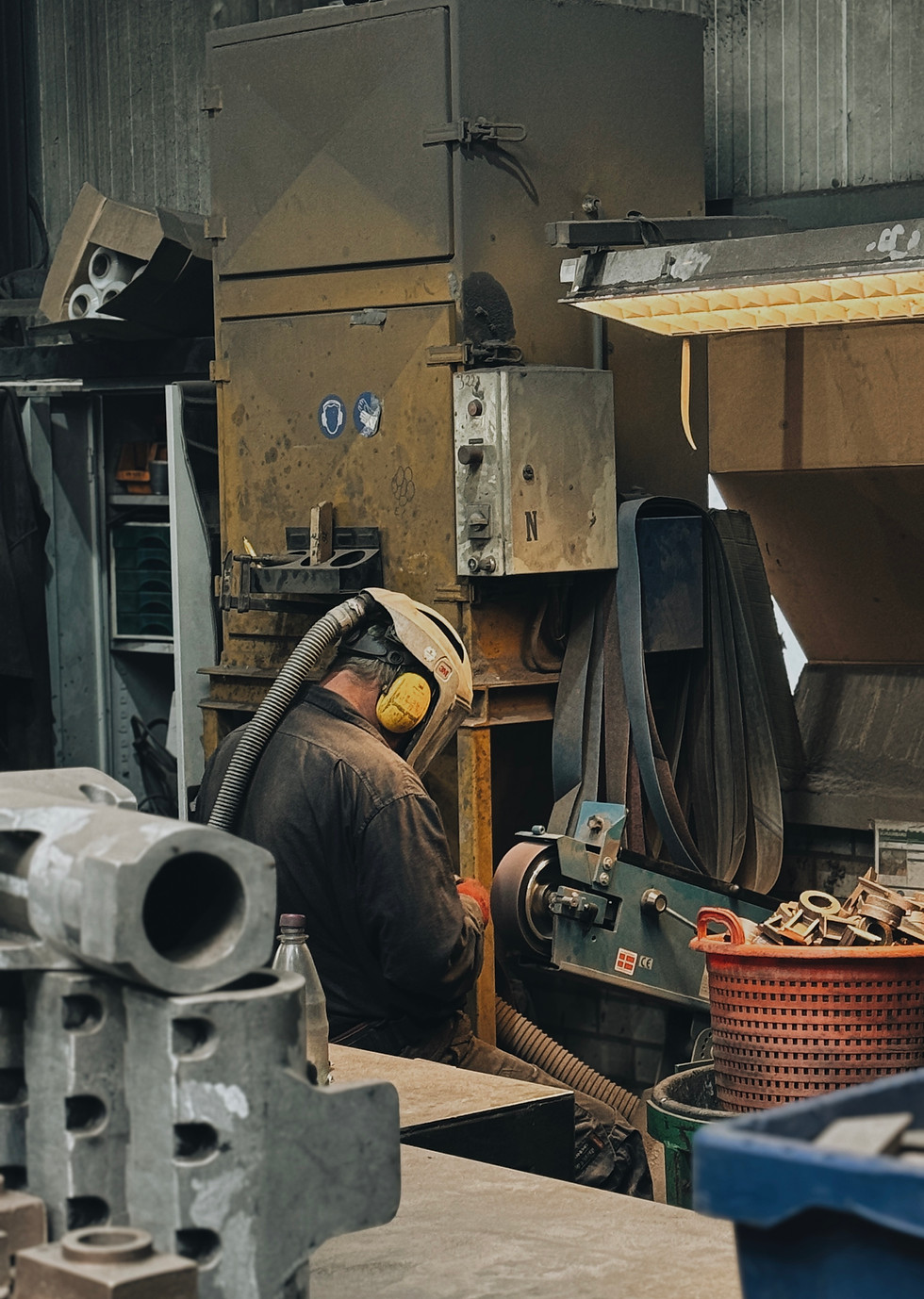
“I believe in handmade brilliance: creating unique pieces, transforming spaces, one design at a time.”
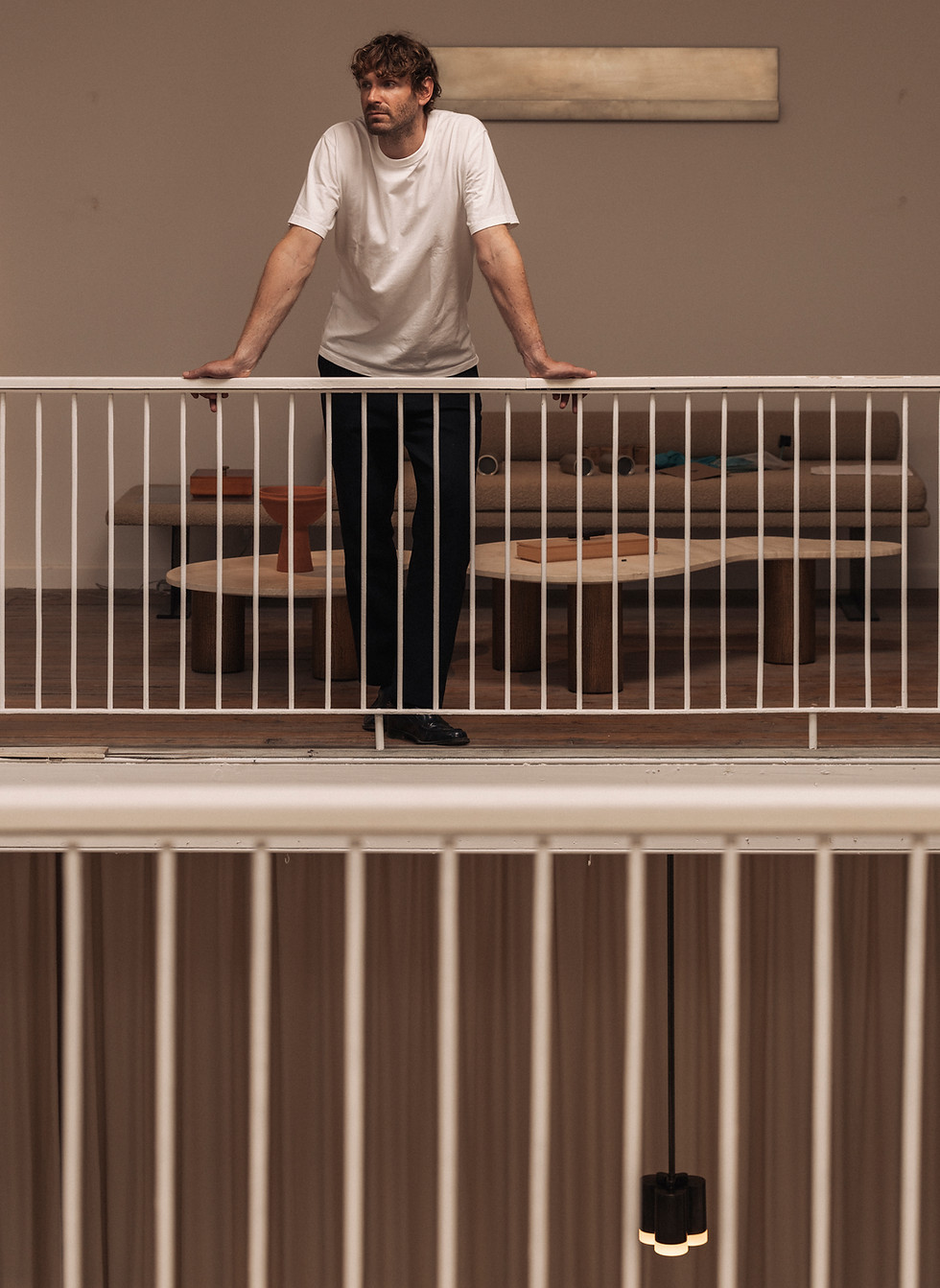
Christian Andre is an independent Belgian design studio founded by Rutger Merckx, designer and creative force behind the brand. Based in Antwerp, Belgium, the studio creates collectible lighting objects that bring together timeless design, traditional craftsmanship and a deep appreciation for materials.
The name Christian Andre is deeply personal. They are Rutger’s middle names — Rutger Christian Andre Merckx — making the brand a direct extension of the person behind it. More than a label, Christian Andre reflects his own vision, values and approach to design.

A natural path towards design
Creativity has always been part of Rutger’s way of seeing the world. Despite a professional background in economic studies and a career in sales, his fascination with architecture and interiors, was always present.
Over time, the desire to create became stronger. Designing became a personal outlet. Sketching objects, exploring forms and thinking about lighting pieces he would want to live with himself.
The first ideas for Christian Andre emerged from a simple personal search. While looking for a particular wall light for his own home, Rutger began sketching something he could not quite find elsewhere.
What began as an idea gradually developed into a technical design, prototypes, material research and a search for the right craftspeople and production methods.
Rather than being conceived as an immediate brand launch, Christian Andre evolved naturally over several years. That slow and considered process continues to define the studio today.
Returning to craftsmanship
At the heart of Christian Andre lies a strong belief in traditional craftsmanship.
In a world where objects can increasingly be designed and produced at extraordinary speed, Rutger deliberately chooses a different direction. He is fascinated by techniques that have existed for generations and processes in which the hand of the maker remains visible.
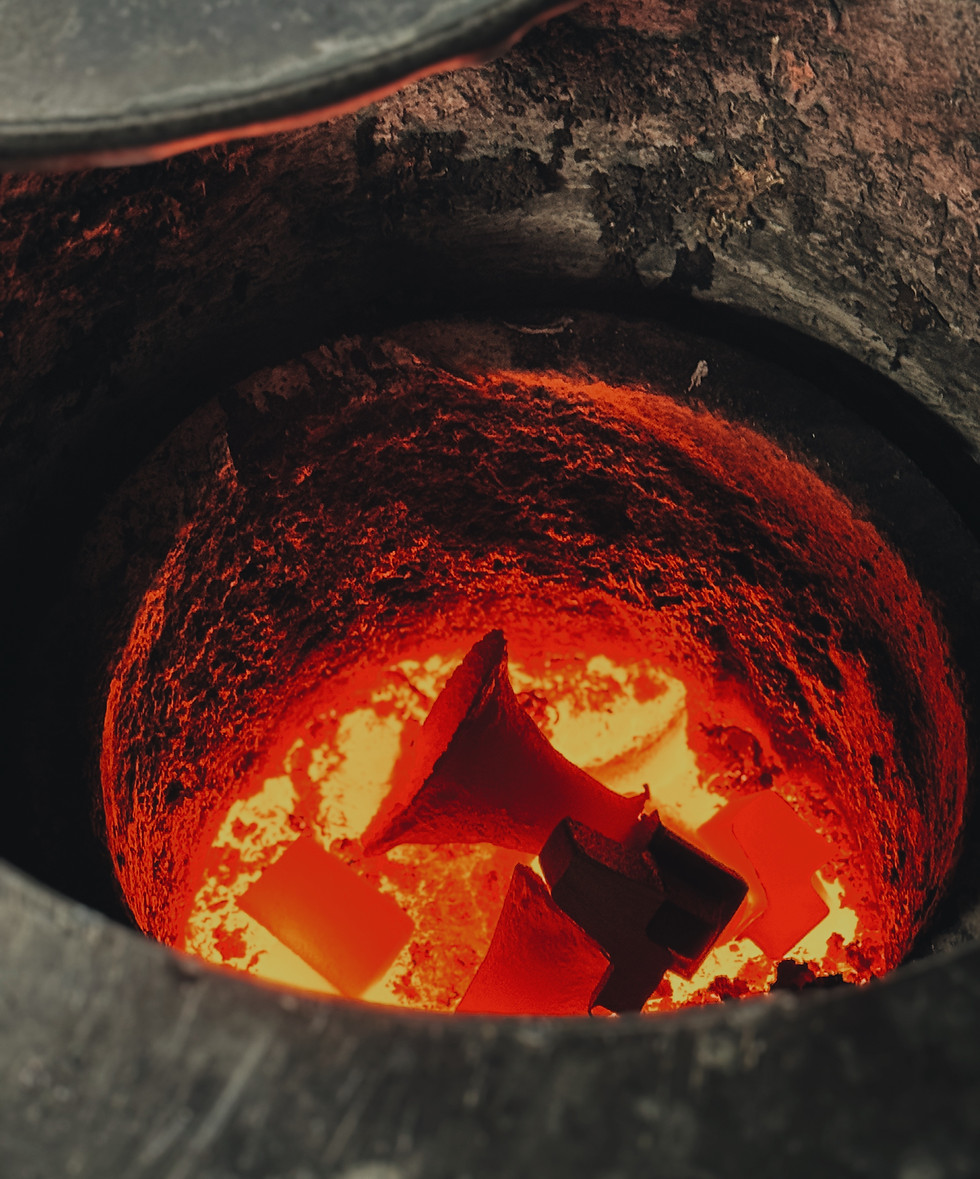
The first Christian Andre collection is created using traditional sand casting, an age-old process in which molten brass is poured into a mould formed in sand. Rather than hiding the traces of this process, Christian Andre embraces them.
The texture of the sand remains visible in the raw brass surface, creating subtle variations from one piece to another. No two castings are completely identical. These differences are not considered imperfections, but rather evidence of the process through which the object was made.
It is precisely this individuality that gives each piece its character. For Rutger, preserving such techniques is about more than nostalgia. It is about respecting the knowledge, patience and human involvement that have shaped objects for centuries. Qualities that are becoming increasingly rare in contemporary production.
Christian Andre brings these traditional methods into a contemporary context: old techniques expressed through quiet, modern forms.

Shaped by ARCHITECTURE and observation
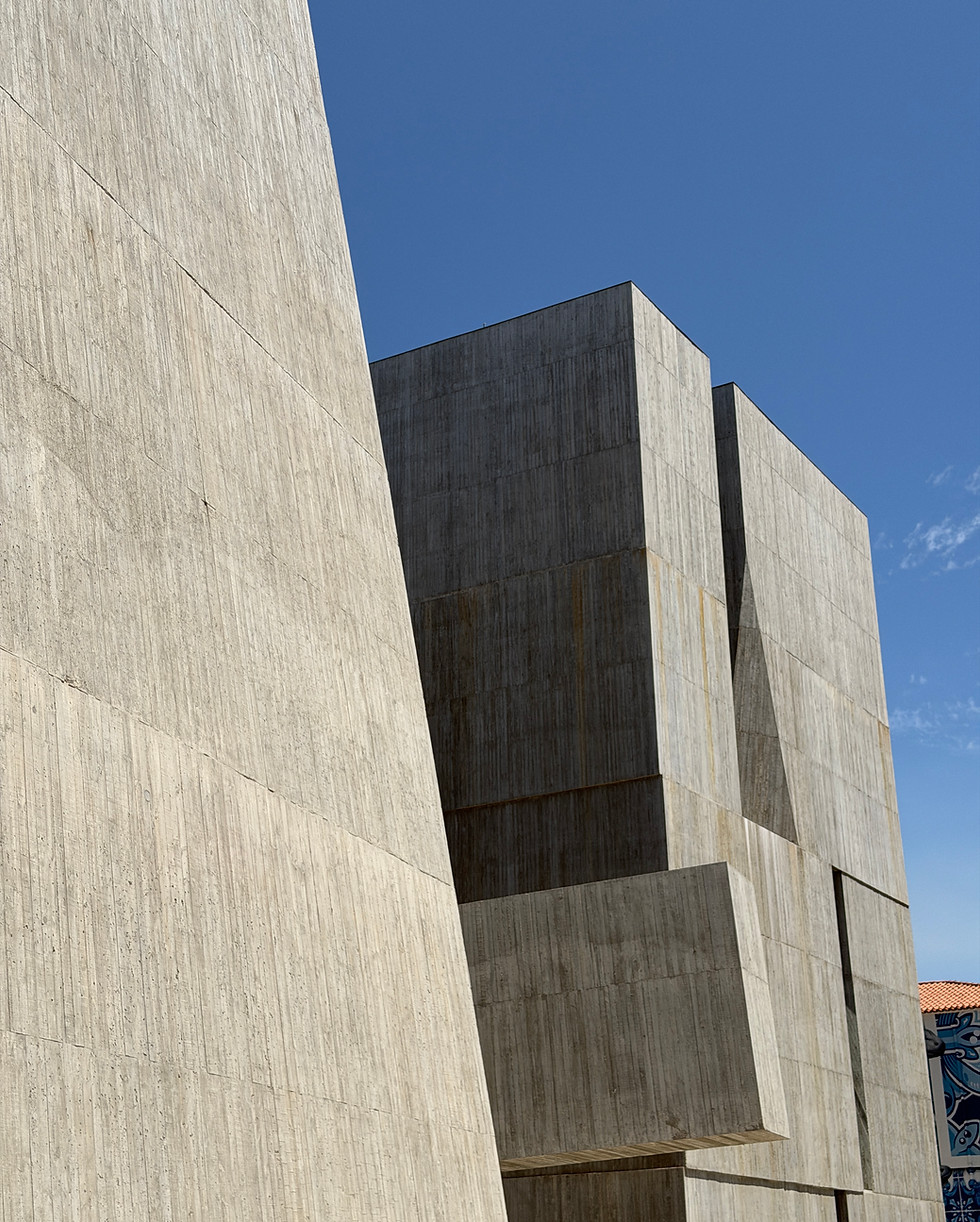
Rutger’s inspiration is not tied to one particular designer, architect or movement. Instead, it comes from observing the world around him. Architecture, structures, landscapes and everyday details can all become starting points for a new idea. A particular curve, proportion, material or architectural element can trigger a thought that eventually evolves into an object.
Nature plays an equally important role. Forests, mountains, coastlines offer a sense of calm that strongly resonates with Rutger’s own personality and approach to design. That same feeling of tranquillity can be recognised in the design language of Christian Andre.
The objects are deliberately restrained. Their forms are natural and balanced rather than overly expressive. They are intended to attract attention through proportion, material and presence rather than unnecessary complexity. This balance between simplicity and character is fundamental to the studio’s work.
Light, atmosphere and space
For Christian Andre, lighting is inseparable from architecture. Light shapes the way a room is perceived. It changes how materials are experienced and ultimately, how people feel within a space.
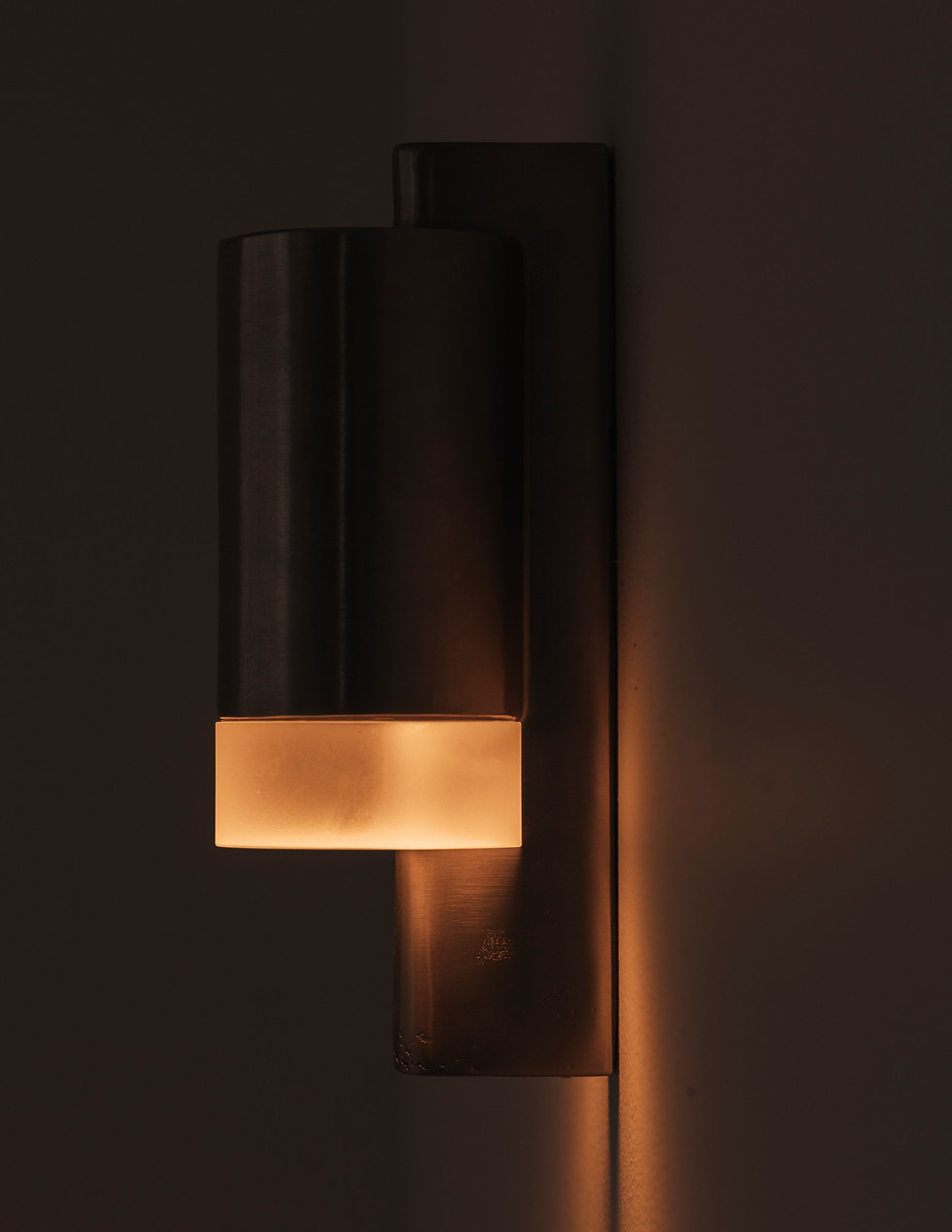
The studio’s lighting is designed to bring warmth, atmosphere and intimacy to a project. When a wall light or pendant remains illuminated, the character of a room begins to change. Light becomes softer. Shadows become part of the composition. Materials take on a different quality and the atmosphere becomes more intimate.
A Christian Andre piece should retain its value even when switched off. Each design is conceived as an object within the architecture. Something with enough materiality, proportion and character to contribute to a space throughout the entire day.
A light should illuminate a space, but the object itself should also belong to it.
Made close to home
The pieces are produced in Belgium and the Netherlands, close to the studio’s home in Antwerp. Working locally allows Rutger to maintain a close relationship with the people involved.
Collections are produced in limited quantities rather than through mass production. This is partly a consequence of the artisanal techniques involved, but above all it is a conscious choice.
Christian Andre is not intended to become something found everywhere. Instead, the studio creates for people who actively seek objects with a story, those who appreciate architecture, art, craftsmanship and material authenticity. In that sense, Christian Andre finds its place somewhere between lighting, design and collectible art.
Designed to endure
Christian Andre is not driven by seasons or rapidly changing trends. The ambition is to create objects that feel relevant today, while remaining equally natural within decades from now. Objects are created slowly and deliberately, with the intention of remaining relevant long after the moment in which they were designed.
Belgium’s strong architectural and design culture, has inevitably shaped Rutger’s own understanding of design. The strongest objects, in his view, do not need to demand attention. They establish their presence quietly and become part of the architecture around them.
This philosophy can be reduced to a few essential principles:
Traditional processes. Honest materials. Local craftsmanship. Quiet forms.
Christian Andre is therefore not about creating more objects. It is about creating fewer objects with greater meaning. Pieces made to be lived with, appreciated and preserved.